Best Street Food in Seoul: What to Eat at Gwangjang and Shinchang Markets
Discover Seoul’s best street food, from crispy pancakes to spicy rice cakes. Find out what to eat at Gwangjang and Shinchang markets, with must-try dishes and prices.
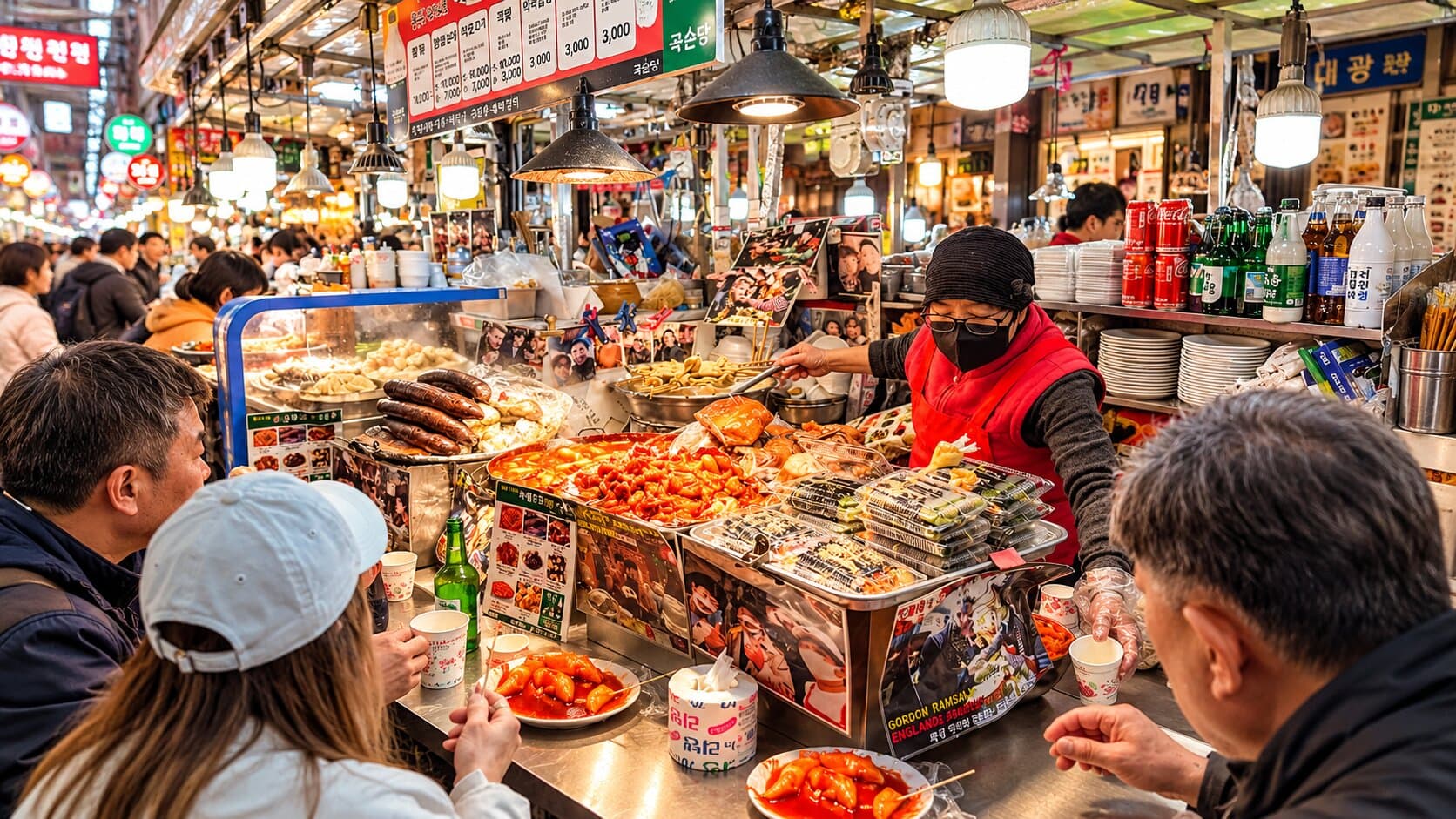
Seoul has plenty of food markets, and choosing what to eat can feel confusing on your first visit. You may find yourself in a busy alley, surrounded by sizzling pans and unfamiliar dishes, unsure where to start. Two markets worth considering are Gwangjang Market, one of the city’s best-known food stops, and Shinchang Market, which has a more local neighbourhood feel.
The two markets offer different experiences. Shinchang is a good choice for casual snacks and filling comfort food at relatively low prices. Gwangjang is busier and more famous, with sizzling pancakes, raw beef dishes, and stalls cooking right in front of you. If your schedule allows, visit both on separate days.
This guide covers what to eat at each market, how the dishes taste, and what you might pay. Prices are approximate, listed in Korean won (KRW), and can change. As a rough conversion, 1,000 KRW is less than one US dollar.
Shinchang Market: A Local Street Food Experience
Shinchang Market is a place to try the kind of food people pick up in their own neighbourhood. You’ll find filling dishes, quick snacks and stalls where English may be limited. If you cannot read the menu, point to what you want and hold up your fingers to show the quantity. Check the market’s exact address and nearest subway station on a current map before setting out.
Hotteok: Sweet and Savoury Pancakes
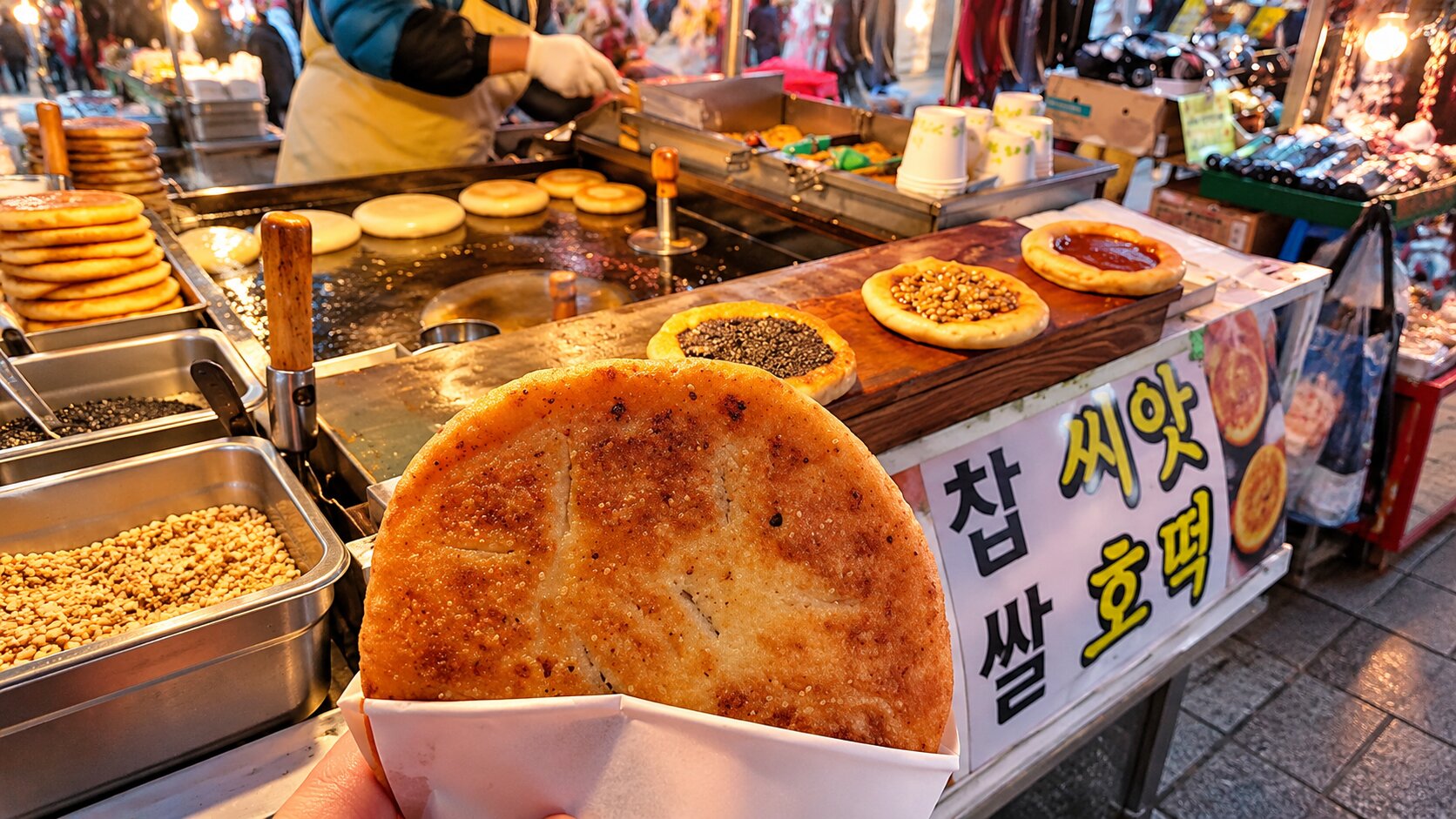
Hotteok is a good place to begin. The dough is filled, pressed flat and fried on a hot griddle until the outside turns golden. The sweet version usually contains brown sugar, cinnamon and nuts. Its centre can be very hot, so take care with the first bite.
You may also find a savoury version filled with japchae, or Korean glass noodles. The noodles are springy and slightly sweet, with a glossy soy-based flavour. Expect to pay around 1,500–2,500 KRW. It is an easy snack to eat standing beside the stall.
Twigim: Assorted Fried Snacks
Twigim refers to a range of Korean fried snacks. Depending on the stall, you might see vegetables, shrimp or stuffed peppers covered in a crisp batter. The outside is crunchy while the inside stays soft and hot.
One popular option is kimari, seaweed rolls filled with glass noodles and deep-fried until crisp. Try dipping them in tteokbokki sauce for a spicy, savoury bite. A mixed portion is a useful choice if you want to sample several snacks with a friend.
Soondaegook: Pork Sausage Soup
Soondaegook is a hearty soup made with pork broth and Korean blood sausage. A bowl may also contain pork slices and organ meat. The broth is rich and savoury, with a milder flavour than some visitors expect.
You can adjust the taste with minced garlic, salted fermented shrimp and perilla seed powder. These additions bring extra saltiness and a nutty, earthy flavour. Some people mix rice directly into the soup. A serving costs roughly 8,000–10,000 KRW.
If you do not enjoy organ meat, ask whether the stall can serve the broth with pork slices only.
Takar: Spicy Grilled Boneless Chicken Feet
Takar is made with boneless chicken feet grilled in a hot, red chilli sauce. The texture is chewy and springy, while the flavour starts sweet before the chilli heat builds. It is often eaten as a bar snack and can be paired with beer or a soft drink. The texture is still unusual, so this dish may not suit everyone.
Jokbal: Braised Pig Trotters
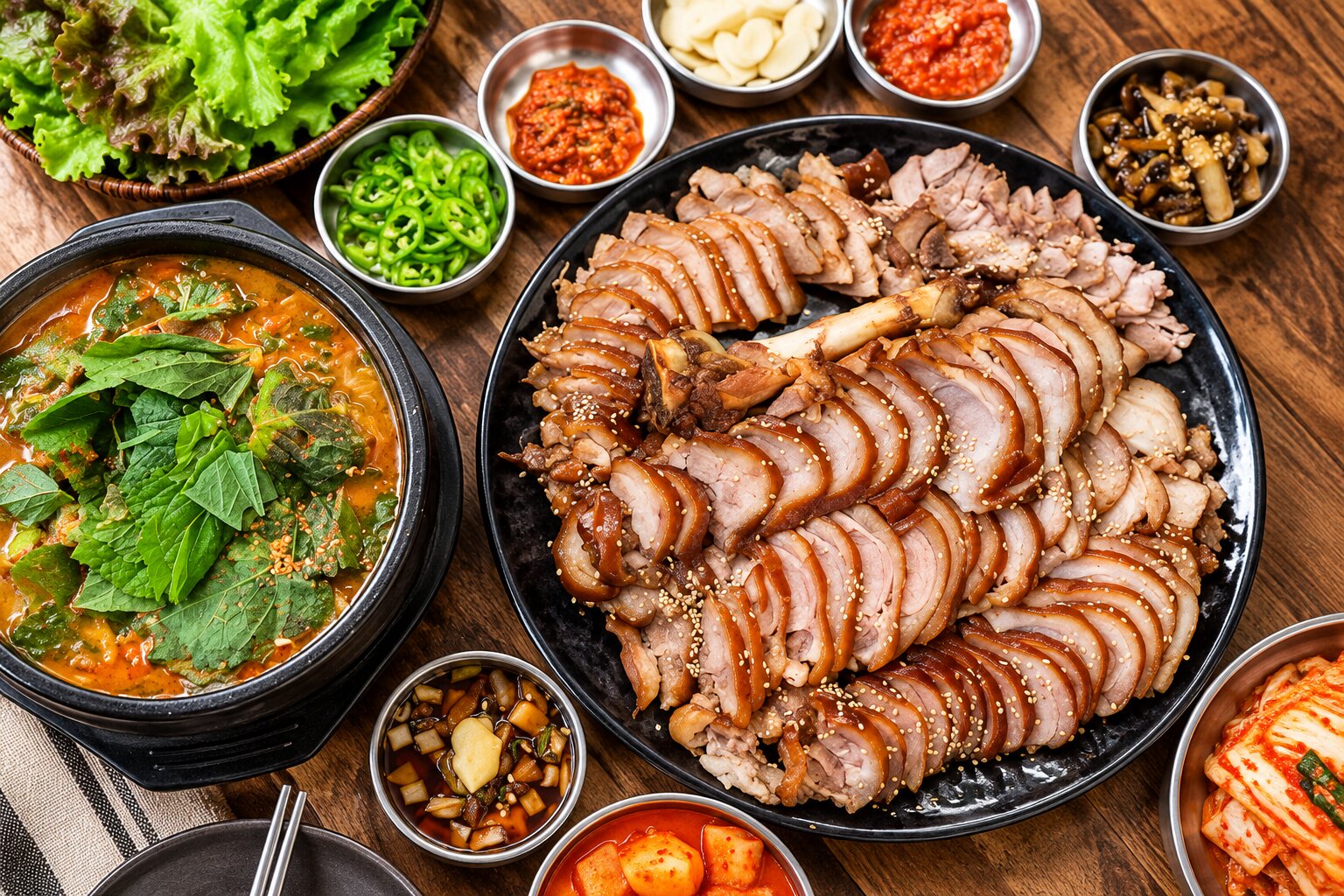
Jokbal consists of pig trotters slowly braised with soy sauce, ginger and spices. The skin becomes glossy, and the meat turns tender. Its soft, slightly gelatinous texture is a major part of the dish’s appeal.
A common way to eat it is to wrap a slice in lettuce with a little salted shrimp sauce and garlic. The result is rich, savoury and full of flavour.
Korean Street Toast
Korean street toast is more substantial than a simple slice of toast. A thick egg patty is cooked with shredded cabbage, carrot and sometimes ham, then placed between slices of golden bread toasted with butter.
Sweet sauce, sugar or ketchup may be added, giving the sandwich a mix of buttery, sweet and salty flavours. Although it is often associated with breakfast, it can make a quick meal at any time of day.
Tteokbokki: Spicy Rice Cakes
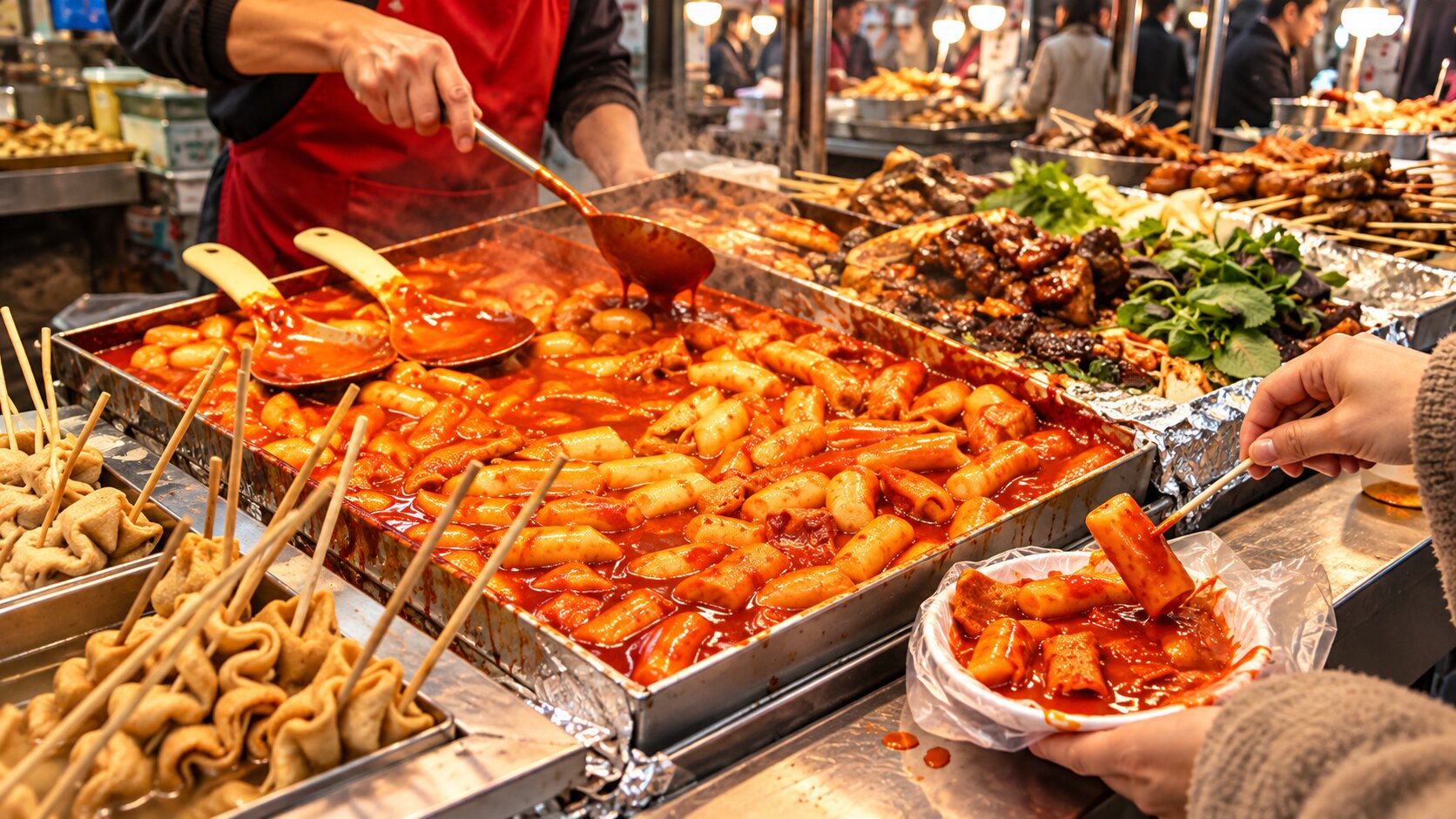
Tteokbokki features chewy rice cakes simmered in a sauce made with gochujang, a Korean red chilli paste, along with garlic and sugar. The sauce clings to the rice cakes and delivers a sweet taste followed by a noticeable chilli kick.
Some stalls add fish cakes and boiled eggs. A serving generally costs around 3,000–5,000 KRW and can be filling, but the spice level may be stronger than it looks.
Bungeoppang and Gyeran Bbang: Sweet Street Snacks
Finish your Shinchang food crawl with a sweet snack. Bungeoppang is a fish-shaped cake with a thin, crisp shell and a filling such as sweet red bean paste or vanilla custard. It is best eaten warm.
Gyeran bbang, or egg bread, is a small, soft cake baked with a whole egg on top. It is mildly sweet, with a savoury flavour from the egg. Both treats usually cost only a few thousand won.
Gwangjang Market: Seoul’s Famous Food Market
Gwangjang Market is one of Seoul’s oldest and best-known traditional markets. It is in the Jongno area of central Seoul and is known for rows of food stalls where vendors prepare dishes in front of customers. The market is lively, crowded and full of activity, especially around the food counters.
You can reach the market from Jongno 5-ga Station on Line 1 or Euljiro 4-ga Station on Lines 2 and 5. Both are within walking distance. Check current station exits and walking times before you go. An evening visit can be a good way to experience the busy food stalls and bright market atmosphere.
Bindaetteok: Mung Bean Pancake
Bindaetteok is one of Gwangjang Market’s signature dishes. The batter is made from ground soaked mung beans and may be mixed with bean sprouts, pork or kimchi. It is fried in oil until the edges become crisp and the centre stays soft.
The pancake has a nutty flavour and is often served with a tangy soy sauce containing onion. You will see vendors cooking large pancakes in wide pans. Expect to pay roughly 5,000–8,000 KRW.
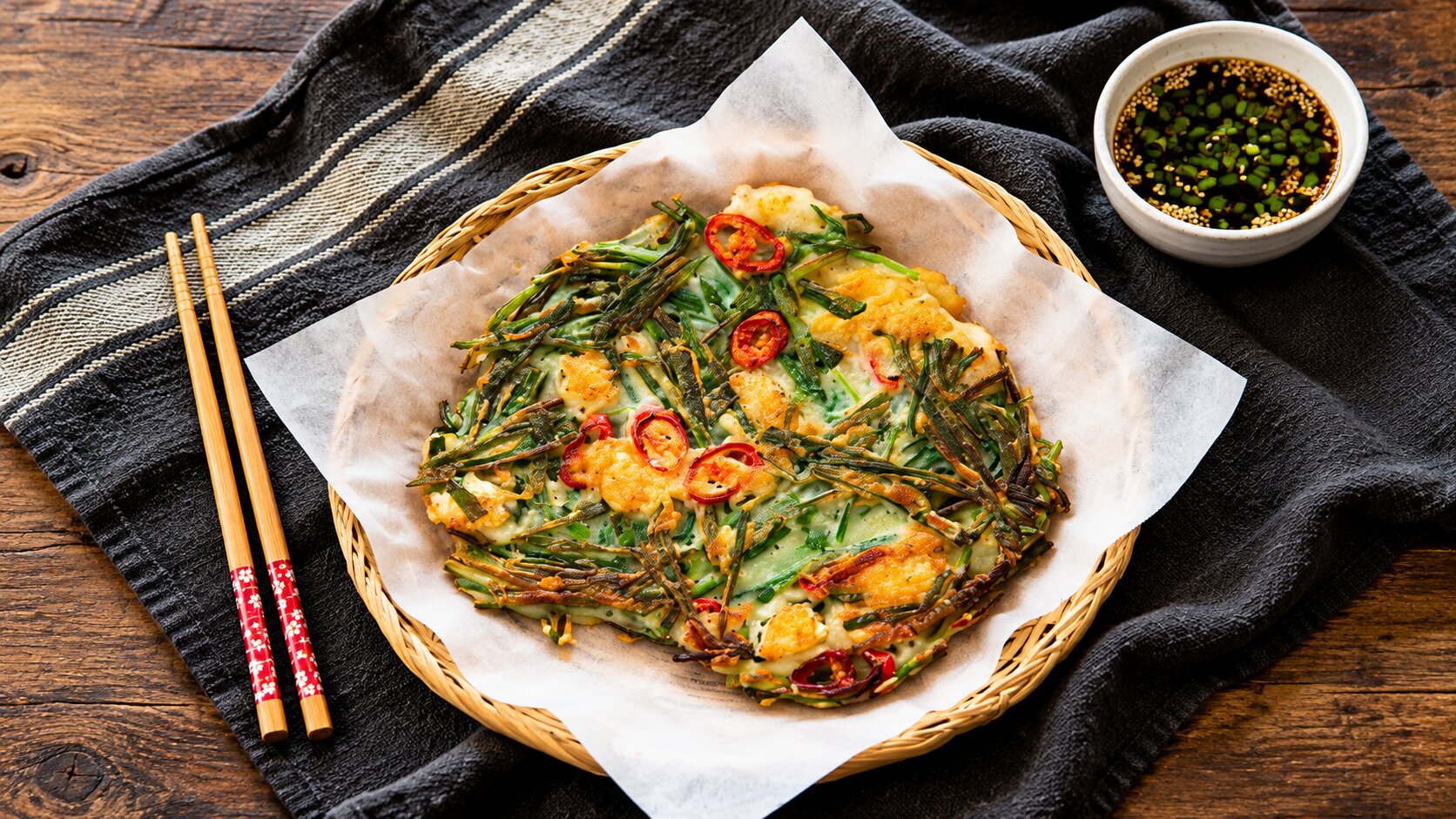
Buchujeon: Chive Pancake
Buchujeon is a chive pancake with a fresh, lightly onion-like flavour. It is usually thinner than bindaetteok, with crisp edges and a softer centre. Pickled onions or a soy-based dipping sauce help balance the oiliness.
Order one to share with a drink or alongside another dish if you want to try more than one market speciality.
Yukhoe: Korean Beef Tartare
Yukhoe is a well-known Gwangjang dish made with raw beef. The meat is cut into thin strips and seasoned with sesame oil, garlic and a little sugar. It is often served with crisp Asian pear, a raw egg yolk and sometimes pine nuts.
Mix the ingredients together before eating. The beef is tender, the pear adds a juicy crunch and the egg yolk gives the dish a richer texture. A serving may cost around 15,000–25,000 KRW. Because this dish uses raw beef, choose carefully and understand that raw meat carries food-safety risks.
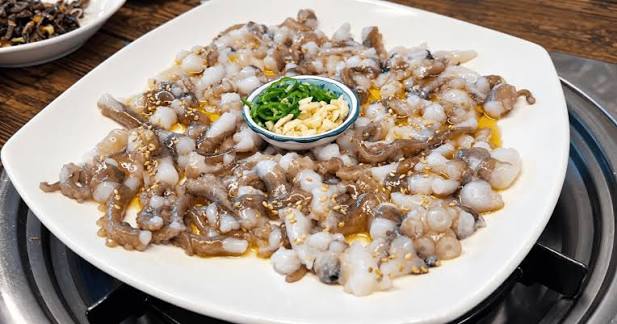
Sannakji: Live Octopus
Sannakji is made from octopus cut shortly before serving and dressed with sesame oil and sesame seeds. The pieces may continue to move on the plate. Its flavour is mild and slightly briny, but the texture is what makes it challenging for many visitors.
The suction cups can stick to the mouth or throat, creating a choking risk. If you choose to try it, chew each piece thoroughly and never swallow it whole. It is also completely fine to skip this dish if you are unsure about it.
Ramen with Oysters
Some stalls serve ramen in a small foil container with oysters and broth. The noodles take on the salty seafood flavour of the soup, while the oysters become plump and tender. It makes a hot, comforting meal, especially on a cold evening.
Daejun Gopchang: Stir-Fried Pig Intestine
Gopchang is pig intestine cooked with vegetables, spicy sauce and perilla leaves. The pieces are chewy and rich, with a smoky flavour from the hot pan. Perilla adds a fresh, herbal note. This dish is not for everyone, but it is popular with people who enjoy offal and is often paired with soju.
Kkwabaegi: Twisted Doughnuts
Kkwabaegi are twisted doughnuts fried until golden, then coated in cinnamon sugar. The outside is lightly crisp, while the centre stays soft and airy. They are especially good when served warm.
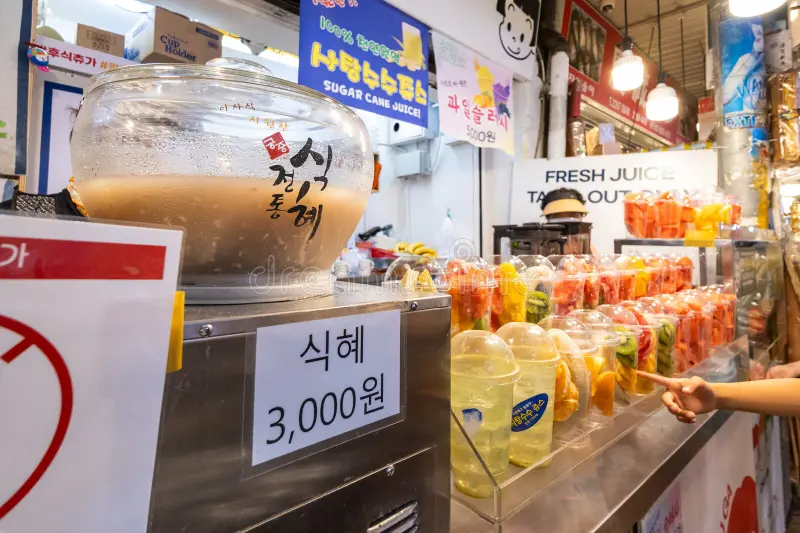
Sikhye: Sweet Rice Drink
Sikhye is a chilled Korean drink made with rice and malt. It has a mild sweetness and a nutty taste, with soft rice grains floating in the liquid. Some versions are served partly frozen or slushy, making it refreshing after spicy or fried food.
Gwangjang vs. Shinchang: Which Market Should You Choose?
• Atmosphere: Shinchang feels more relaxed and local, while Gwangjang is larger, busier and better known.
• Best for first-time visitors: Gwangjang may be easier for visitors who want famous dishes and stalls used to serving tourists.
• Best for hearty, budget-friendly food: Shinchang is a strong option for filling soups and casual snacks.
• Best for adventurous eaters: Gwangjang offers dishes such as yukhoe and sannakji, while Shinchang has soondaegook and spicy chicken feet.
• Best for dessert: Try kkwabaegi at Gwangjang or bungeoppang at Shinchang.
Practical Tips for Visiting Seoul’s Food Markets
• Bring cash. Some stalls may prefer cash, and small notes can make paying easier.
• Arrive hungry and consider going with a friend. Sharing dishes lets you try more without ordering a full portion of everything.
• Point to the food you want and use your fingers to show the quantity if the menu is only in Korean.
• Be flexible about seating. Some stalls have stools, while others have standing-only spaces.
• Check ingredients if you have allergies or dietary restrictions. Dishes may contain pork, shellfish, sesame or egg, and vegetarian choices can be limited. Ask the vendor before ordering.
• Check opening hours before travelling. Individual stalls may close at different times.
Final Thoughts
If you have only one evening for street food in Seoul, Gwangjang Market is a practical place to start. Try bindaetteok, tteokbokki and kkwabaegi, then leave room to see what else catches your eye. If you have another evening, visit Shinchang for hotteok and a bowl of soondaegook.
Take your time, share dishes when you can and choose food that suits your appetite and comfort level. Prices and opening hours can change, so confirm current details before you visit.
Enjoyed this story? Share it with someone who would like it.