How to Visit Rome on a Budget: A 5-Day Travel Guide
Planning a trip to Rome, Italy? Discover the best places to visit, top things to do, the best time to travel, where to stay, estimated costs, and essential travel tips for an affordable 5-day vacation.
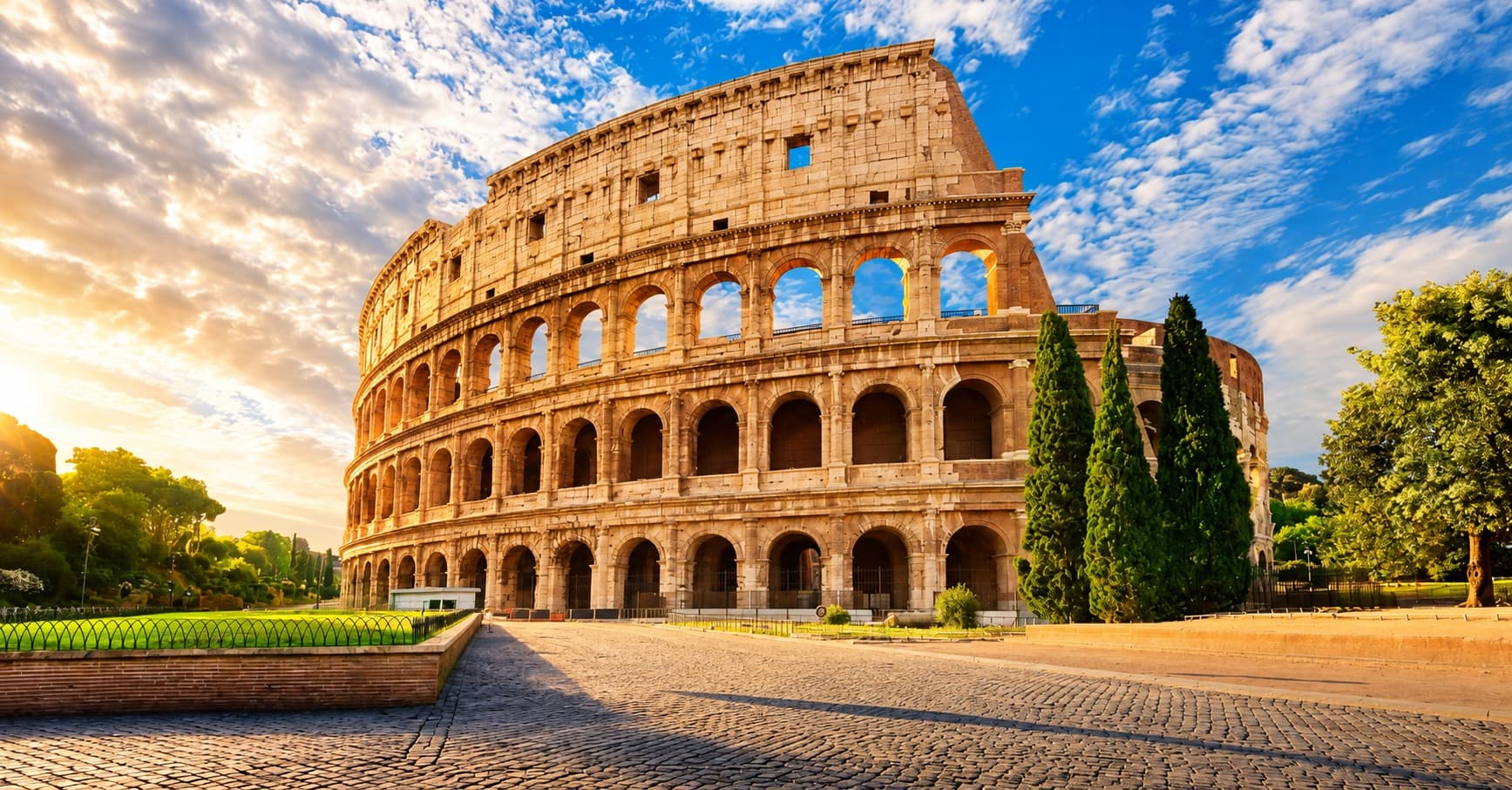
If you love history, Rome is the kind of city that can keep you busy for days. Ancient ruins, archaeological sites, and centuries-old buildings are everywhere. You can easily find yourself walking past a 2,000-year-old monument on your way to lunch. Then there are the quiet streets, beautiful fountains, and romantic corners that make the city just as enjoyable when you’re not sightseeing.
And you don’t have to spend a fortune to enjoy it. Rome has plenty of affordable places to eat, and using public transport and a city pass can help keep the cost of visiting major attractions down. You can spend the morning looking at ancient ruins, stop for a plate of pasta or pizza, and still have plenty of the city left to enjoy without constantly checking your budget.
What follows covers how to get there, where to stay, what to see and eat, and a five-day itinerary with the costs for each day. Prices are in euros, with US dollars in brackets, at a rate of €1 = $1.15. That rate changes often, so check the current one before you book.
Getting to Rome
• Most international flights land at Fiumicino Airport, while Ciampino handles mainly budget airlines.
• From Fiumicino, the Leonardo Express reaches Termini Station in 32 minutes for €14 ($16). Trains run every 15 minutes, and you can buy tickets at the airport.
• If you'd rather spend less and don't mind a longer ride then shuttle buses cost €6-7 ($7-8) and take 50-55 minutes to reach the same station.
• If you are coming from elsewhere in Europe, high-speed trains link Rome with France, Switzerland, Austria and Germany. FlixBus and BlaBlaBus are the cheapest options. We used Omio to compare flights, trains and buses in one place, and Google Maps was useful for real-time train, metro and bus information once we were on the ground.
Is the Roma Pass Worth It?
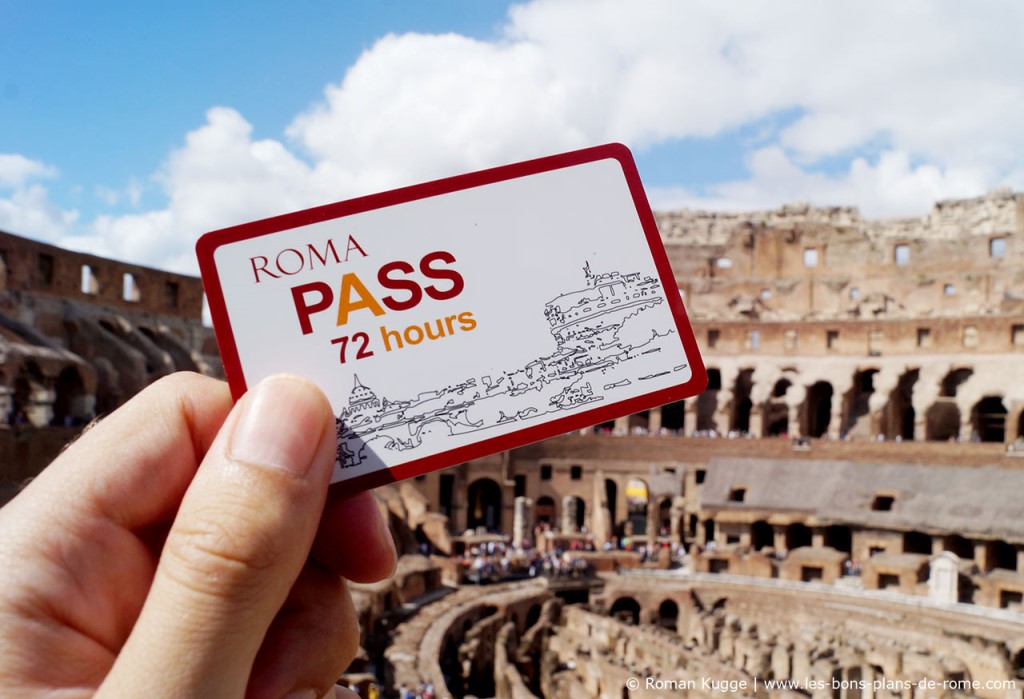
• If you’re planning to see several attractions around Rome, the Roma Pass can make things a little easier. It’s a sightseeing pass that combines public transport with entry or discounts to some of the city’s museums and archaeological sites. Depending on which pass you choose, you can get free entry to one or two participating attractions and discounted entry to others, while also using Rome’s public transport during the pass’s validity period.
• In our experience, the Roma Pass was the biggest money-saver of the trip. It covers unlimited transport on the metro, buses and trams, and includes free entry to two major attractions.
• The 48-hour pass costs €38 ($44) and the 72-hour pass costs €63 ($72).
• There is one catch. To collect the pass, you first have to visit the tourist centre near the Colosseum, which means spending at least a euro on the ride there.
When to Go?
Rome works in any season, but some are better than others.
• Spring, from April to June, is the best of them. It's warm, the piazzas are in bloom, and it's neither too crowded nor too hot.
• Summer, from July to September, brings plenty of events and late-night gelato walks. It also brings big crowds and punishing daytime heat, so plan your days around it.
• Autumn, from September to November, is quieter, and the golden light makes the city look like a film set
• Winter, from December to February, is the cheapest time to come. Hotels and flights are at their lowest prices, and there are plenty of Christmas decorations. If money is tight, winter is the season to pick.
Where to Stay in Rome?
Where you stay can make your Rome trip easier, but you don’t have to book a hotel right next to the Colosseum or another major attraction. Rome is easy enough to get around, so it’s more useful to stay somewhere close to a metro or train station, especially if you plan to visit different parts of the city.
Also remember that Rome has a tourist tax, which can add around €3–7 ($3–8) per person per day to your stay, plus a specific €2 access fee for the Trevi Fountain basin area.
• Centro Storico: This is the best choice if you want to be close to Rome’s famous sights. The Pantheon and Trevi Fountain are within walking distance. Hotels here are usually more expensive, at around €130–180 ($150–207) a night. There is also a specific €2 access fee for the Trevi Fountain basin area.
• Trastevere: With its cobbled streets, old buildings and plenty of trattorias, Trastevere has a lot of charm. It’s a good choice if you want a lively area with plenty of places to eat. Hotels usually cost around €120–170 ($138–195) a night.
• Monti: Monti is a smaller, artsy neighbourhood with vintage shops, cafés and independent stores. It’s a good middle-ground option, with rooms costing around €110–150 ($127–173) a night.
• Prati: Close to the Vatican, Prati is quieter than many other central areas. It’s also a little more polished, with hotels costing around €100–140 ($115–161) a night.
• Termini: If you’re trying to save money, look around Termini Station. Rooms can cost around €70–100 ($80–115) a night, making it the cheapest option on this list. The area may not have the charm of Trastevere or the historic centre, but the lower hotel prices can leave you with more to spend on food and sightseeing.
Ancient Rome: The Colosseum, Roman Forum and Palatine Hill
If you only have time for one ancient site in Rome, make it the Colosseum. This is where gladiators once fought in front of 50,000 people and even before you step inside, the sheer size of the building gives you a sense of what it must have been like centuries ago.
Right next to it is the Roman Forum, where emperors once gave speeches, and above it stands Palatine Hill, the legendary birthplace of Rome. One ticket covers all three and costs about €25 ($29) or you can use one of your two free entries on the Roma Pass.
The Pantheon
The Pantheon has survived 2,000 years and is among the best-preserved ancient buildings in Rome. Its dome was the largest in the world for more than 1,300 years.
Entry is free, but check the current opening hours before you go.
Trevi Fountain
The legend says that one coin thrown over your shoulder means you'll return to Rome, two means love and three means marriage. Around €3,000 ($3,450) in coins goes into the fountain every day, and it is all donated to charity.
The crowds are the drawback. Go early in the morning or late at night. Visiting costs nothing apart from the coin.
The Vatican: Museums and St. Peter's Basilica'
• The Vatican Museums hold one of the world's great art collections, with marble sculptures and Renaissance paintings in nearly every room. The highlight is the ceiling of the Sistine Chapel, where the detail is worth slowing down for.
• Tickets cost about €25 ($29) and sell out quickly so book ahead. Fast-track tickets cost around €40 ($46), and if you dislike queues they're easy to justify.
• St. Peter's Basilica is close by and free to enter. For the best views in Rome, climb to the top of the dome for about €10 ($12). You can take an elevator part of the way and walk the rest or take all 551 steps. Between the museums and the basilica, plan on at least half a day.
Day Trips: Pompeii and the Amalfi Coast
Pompeii
• Pompeii feels like stepping into the past. The city was buried by a volcanic eruption almost 2,000 years ago, and you can still walk through old houses, see an ancient bakery and find graffiti on the walls. There’s even an ancient fast-food shop that archaeologists have uncovered.
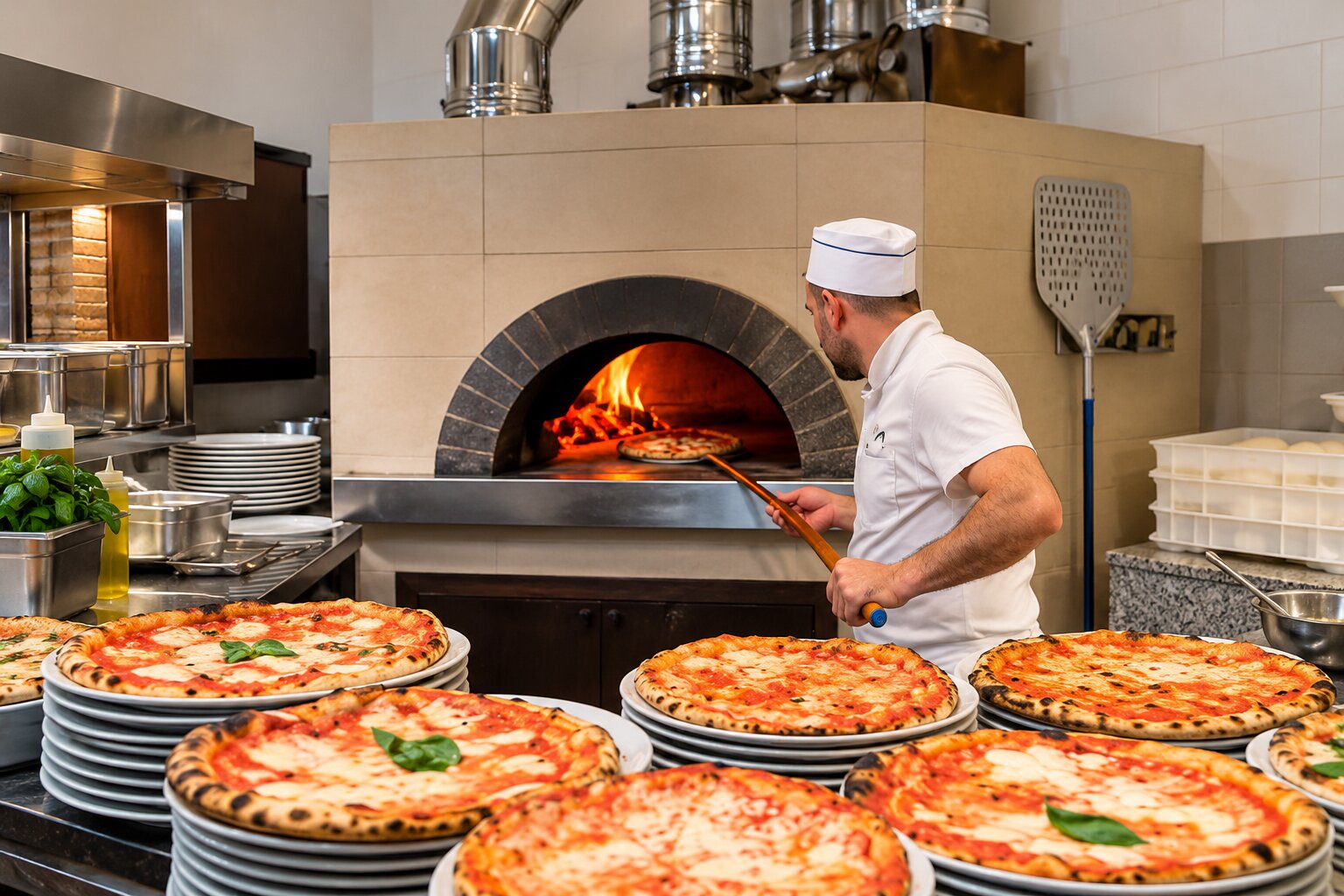
• The easiest way to get there from Rome is by joining a tour. Most include transport and entry, and some also stop in Naples. Tours cost around €95 ($109) per person and take the whole day. And if you stop in Naples, do yourself a favour and try a margherita pizza.
Amalfi Coast
• If you’d rather spend the day by the sea, head to the Amalfi Coast. You’ll get lemon groves, blue water, cliffside roads and the colourful town of Positano. Don’t leave without trying some lemon sorbet while you’re there.
• Getting there on your own can be a bit of a hassle with several bus and train changes. A tour is often easier. It costs around €129 ($148) per person and includes the trip from Rome and boat rides. It’s a full-day outing so you may want to skip it if you’re trying to keep your trip budget-friendly.
Castel Sant'Angelo
Over the centuries, Castel Sant'Angelo has been a tomb, a fortress, a palace and a prison, and it is now a museum. A secret passage connects it to the Vatican, which was built so the pope could escape in an emergency.
Inside, there are large halls with ancient weapons and the rooftop terrace gives some of the best views of Rome, across the river towards St. Peter's Basilica. The ticket costs about €31 ($36), which is more than the Colosseum combo ticket so it's the first thing to drop if you're watching your budget.
Piazzas and Parks
After spending a few days seeing the Colosseum, museums and archaeological sites, it’s nice to have a slower day in Rome. You don’t always need a plan here. Grab a gelato, find a spot in one of the city’s piazzas or parks, and just watch the city go by.
• Start with Piazza Navona. There are usually artists and street performers around the Fountain of the Four Rivers so it’s an easy place to spend an hour without really having a plan.
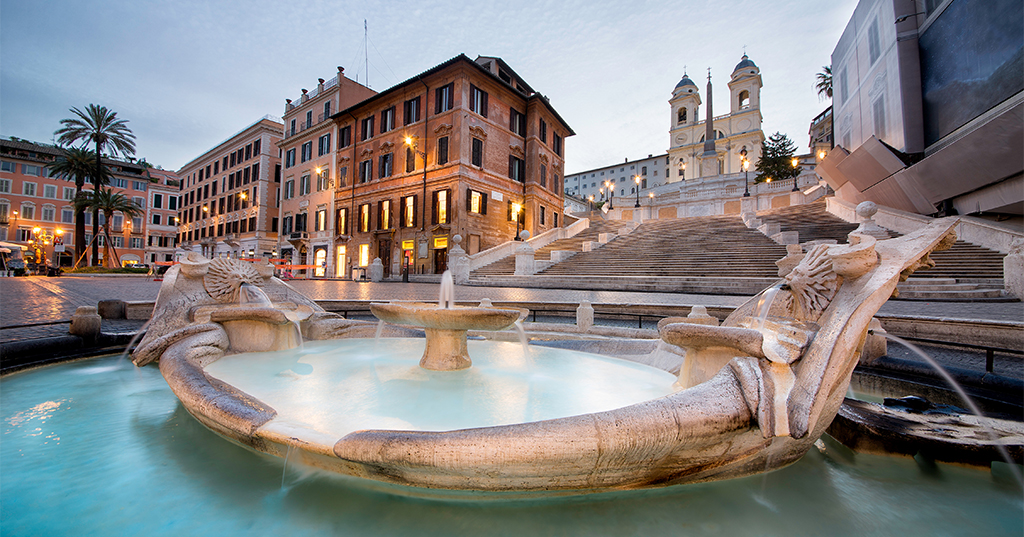
• From there walk to Piazza di Spagna and the Spanish Steps, which you may recognise from Roman Holiday. Both places are free, so get a gelato or a spritz, find a spot and just take it all in. If you can, go around golden hour.
• For something a little quieter, head to Villa Borghese. It’s a big green park with shady paths, fountains and plenty of space for a picnic. You can rent a bike, take a small boat out on the lake or simply find a bench and relax. The Borghese Gallery is also here, but you’ll need a separate ticket to visit it.
What to Eat?
• Food is the best part of the trip so here's what you should definitely try.
• Start with the Roman pasta trio, which costs about €9-14 ($10-16) per dish. Carbonara is made with cured pork cheek, pecorino, egg yolk and black pepper with no cream. Cacio e pepe is just pasta, cheese and pepper. Amatriciana is a tomato sauce with pork cheek and pecorino.
• For snacks, supplì are crispy fried rice balls filled with ragù and melted mozzarella, at about €2-3 ($2-3.50) each. Pizza al taglio is rectangular pizza sold by weight, crunchy and airy, and good for a quick bite at about €3-5 ($3.50-6) a slice. Porchetta is slow-roasted pork, thinly sliced and put into sandwiches for about €5-7 ($6-8).
• Leave room for some delicious dessert. Try maritozzo, which is a bun filled with whipped cream. Gelato and tiramisu aren't specific to Rome, but you should still try them.
The Five-Day Itinerary
• Day 1: Arrival. Take the Leonardo Express from Fiumicino to Termini, then go to the tourist centre to collect your 72-hour Roma Pass. After checking in, throw a coin into Trevi Fountain and watch the sunset from the Spanish Steps. Dinner is pizza al taglio, with a slice of tiramisu to follow. Cost: about €105 ($121).
• Day 2: Ancient Rome. Begin at the Colosseum, Roman Forum and Palatine Hill, all covered by the Roma Pass. Then visit the Pantheon, stop for a classic Roman pasta at lunch, and have a gelato on the way back. This is the cheapest day, at about €36 ($41).
• Day 3: Pompeii. Take a guided day tour with round-trip transport and entry included, and stop in Naples for an authentic pizza. This is the second most expensive day, at about €131 ($151).
• Day 4: Amalfi Coast and Positano. Your 72-hour Roma Pass will probably have expired by now. Buy a 48-hour transport ticket at any railway station, which covers rides only, then join the Amalfi Coast and Positano tour. This is the most expensive day, at about €183 ($210).
• Day 5: Vatican City. Visit the Vatican Museums and the Sistine Chapel, then St. Peter's Basilica, and climb the dome if you feel up to it. Have your last Roman dinner at Piazza Navona, then take the Leonardo Express back to the airport. Cost: about €75 ($86).
What It All Costs
The figures below are per person and cover hotels, meals, transport, tours and attractions. They don't include flights, which depend on where you're travelling from, so costs start from the moment you land at Fiumicino.
Item Per person
Pre-trip (hotels and bookings) €250 ($288)
Day 1 €105 ($121)
Day 2 €36 ($41)
Day 3 €131 ($151)
Day 4 €183 ($210)
Day 5 €75 ($86)
Total €780 ($897)
Days 3 and 4 are the priciest. If you need to trim the budget, skipping one or both of the day tours is the easiest way to do it.
Before You Go
A few things will make the trip smoother:
• Book timed tickets for the Colosseum and the Vatican in advance, as both sell out quickly.
• Collect your Roma Pass as soon as you can so you get the most out of it.
• Stay close to a metro or train station to save time.
• Visit in spring or autumn for warm weather and moderate crowds.
• Check prices before you travel, because they change constantly. The prices in this guide are valid as of 2026.
Rome doesn’t really require a packed itinerary. You can spend hours wandering, grabbing inexpensive street food, and getting around the city with a transport pass without spending too much. The more expensive attractions are worth adding if they interest you but you can still have a great Rome trip without ticking every big-ticket sight off your list.
.
I'll be posting more Europe travel guides on my blog, so follow along for the next one.
Enjoyed this story? Share it with someone who would like it.