What to Eat in Sri Lanka: Traditional Dishes Every Traveler Should Try
Discover the best Sri Lankan food, from rice and curry to hoppers and kottu roti, with must-try dishes, regional specialities and local dining tips.
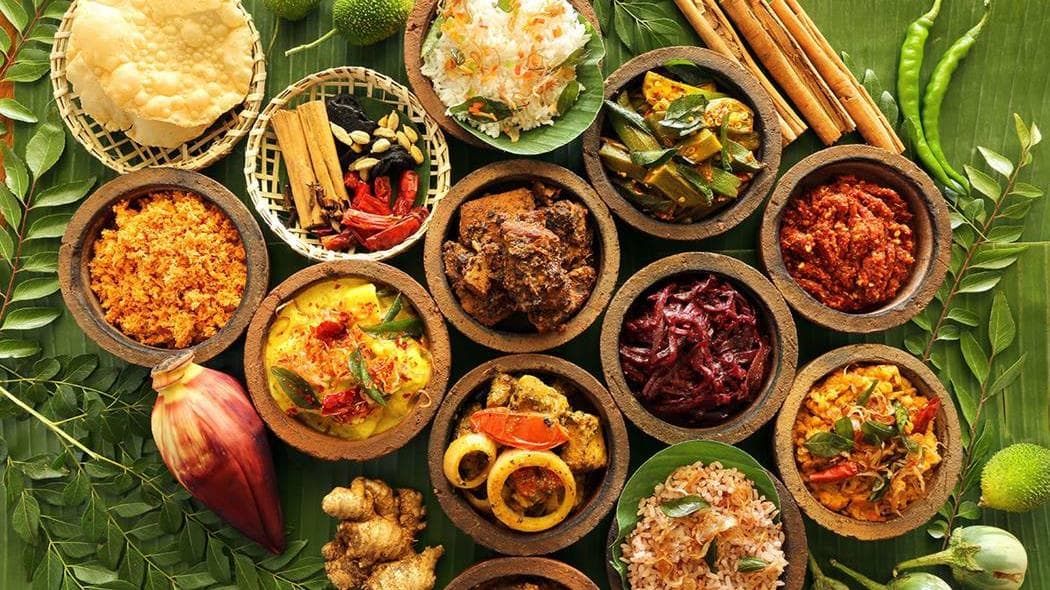
Sri Lankan food is a highlight of travelling around the island, combining fragrant spices, fresh seafood, coconut, rice and colourful curries. From crispy hoppers at breakfast to spicy kottu roti on busy streets, the country's cuisine offers plenty of flavours to discover.
Food varies by region, community and occasion. Coastal towns are known for seafood, while traditional rice-and-curry meals are enjoyed across the country. This guide covers the best Sri Lankan food to try, regional specialities, local eating customs and where to find authentic dishes.
1. Rice and Curry: Sri Lanka's Everyday Meal
Rice and curry is one of the most popular meals in Sri Lanka. It typically includes rice served with several curries, dhal, vegetables, sambols and crispy papadum.
Curries may feature fish, chicken, lentils or seasonal vegetables, with flavours ranging from mild coconut-based sauces to spicy preparations. Ordering a traditional rice-and-curry plate is an easy way to sample several dishes in one meal.
Where to try it: Local restaurants, family-run eateries and lunchtime cafés in Colombo, Kandy and smaller towns.
2. Hoppers and Egg Hoppers: A Traditional Breakfast
Hoppers, locally called appa, are bowl-shaped pancakes made from fermented rice-flour batter and coconut milk. Their edges are thin and crispy, while the centre stays soft.
Egg hoppers contain an egg cooked in the middle and are often served with coconut sambol or curry. Plain hoppers are also popular and can be enjoyed with sweet accompaniments.
Where to try them: Traditional breakfast cafés, local restaurants and street-food stalls. Look for places making fresh batches throughout the morning or evening.
3. Kottu Roti: Sri Lanka's Favourite Street Food
Kottu roti is a popular street-food dish made by chopping flatbread on a hot griddle and mixing it with vegetables, eggs, spices and optional meat. The rhythmic sound of metal blades hitting the cooking surface is part of the experience.
You can usually choose vegetable, chicken or seafood versions. Kottu is filling, flavourful and particularly popular for dinner.
Where to try it: Roadside eateries and casual restaurants in busy towns and city neighbourhoods.
4. String Hoppers and Dhal Curry
String hoppers, known as indi appa, are delicate nests of steamed rice-flour noodles. They are commonly served with dhal curry, coconut sambol and other accompaniments.
Dhal curry is made with lentils, spices and often coconut milk. It is a staple of Sri Lankan cooking and a good option for vegetarians. However, check whether the accompanying sambols contain dried fish.
Where to try them: Guesthouses serving traditional breakfasts and local family-run restaurants.
5. Lamprais: A Dish with Dutch-Burgher Heritage
Lamprais reflects the influence of Sri Lanka's Dutch-Burgher community. Rice and accompanying curries are wrapped in a banana leaf and baked, allowing the flavours to come together.
Traditional versions may include meat, meatballs and several condiments, making it a hearty meal. Recipes vary between cooks and restaurants.
Where to try it: Traditional eateries and bakeries in Colombo and Negombo. Ask about availability, as some places prepare lamprais only on certain days.
Regional Sri Lankan Food to Look For
Sri Lankan cuisine changes as you travel around the island. Local ingredients, cultural traditions and cooking methods influence what appears on the menu.
- Southern coast: Try ambul thiyal, a sour, peppery fish preparation, along with fresh seafood in coastal towns.
- Jaffna and northern Sri Lanka: Look for Tamil-influenced dishes, including spicy curries, dosai and idli.
- Central highlands: Explore vegetable curries and traditional meals around Kandy.
- Colombo and Negombo: Try lamprais, short eats, seafood and dishes reflecting Sri Lanka's diverse food traditions.
Sri Lankan Eating Customs: What Travellers Should Know
Food is closely connected to family life, hospitality and cultural celebrations in Sri Lanka. A few simple customs can help you enjoy local meals respectfully.
- Eating with your right hand: Some people traditionally eat rice and curry with their right hand. Visitors can also use a spoon and fork.
- Sharing several dishes: Meals often include several curries, vegetables and condiments rather than one main dish.
- Expect chilli: Curries and sambols can be spicy. Ask for a milder version if you prefer less heat.
- Try local breakfasts: Hoppers, string hoppers and coconut roti offer a taste of traditional home-style cooking.
- Check ingredients: If you are vegetarian, vegan, halal or avoiding certain foods, ask about ingredients. Some sambols and curries contain dried fish.
Where to Find the Best Sri Lankan Food
You do not need to visit expensive restaurants to experience Sri Lankan cuisine. Local cafés are good for everyday rice and curry, while street-food stalls are ideal for freshly prepared kottu and short eats.
Guesthouses often serve traditional breakfasts, and local markets offer opportunities to discover regional ingredients and snacks. Choose busy establishments with freshly prepared food and use safe drinking water while travelling.
For a deeper understanding of the cuisine, consider joining a cooking class or guided food tour.
Final Thoughts
The best way to experience Sri Lankan food is to try a variety of dishes rather than sticking to familiar meals. Start with rice and curry, sample hoppers for breakfast, order kottu roti for dinner and look for regional specialities as you travel.
From seafood along the southern coast to the Tamil-influenced dishes of Jaffna, Sri Lanka offers a diverse food culture shaped by its people and history. Leave room in your itinerary for local cafés, traditional breakfasts and unfamiliar flavours—you may discover some of your favourite meals along the way.
Enjoyed this story? Share it with someone who would like it.
Keep reading